Why Does Concrete Crack in WA? Causes and How to Prevent It

September 30, 2026
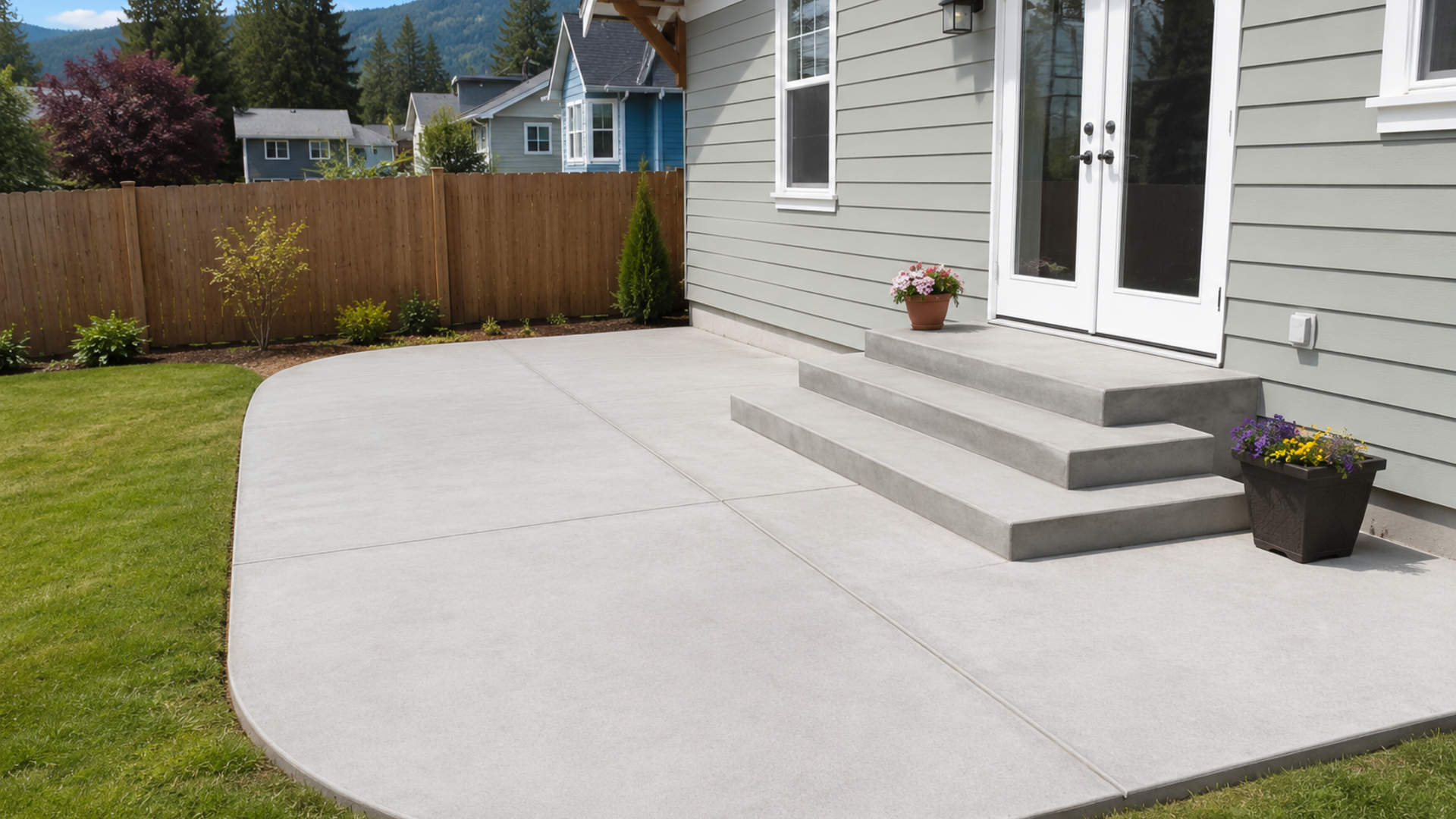
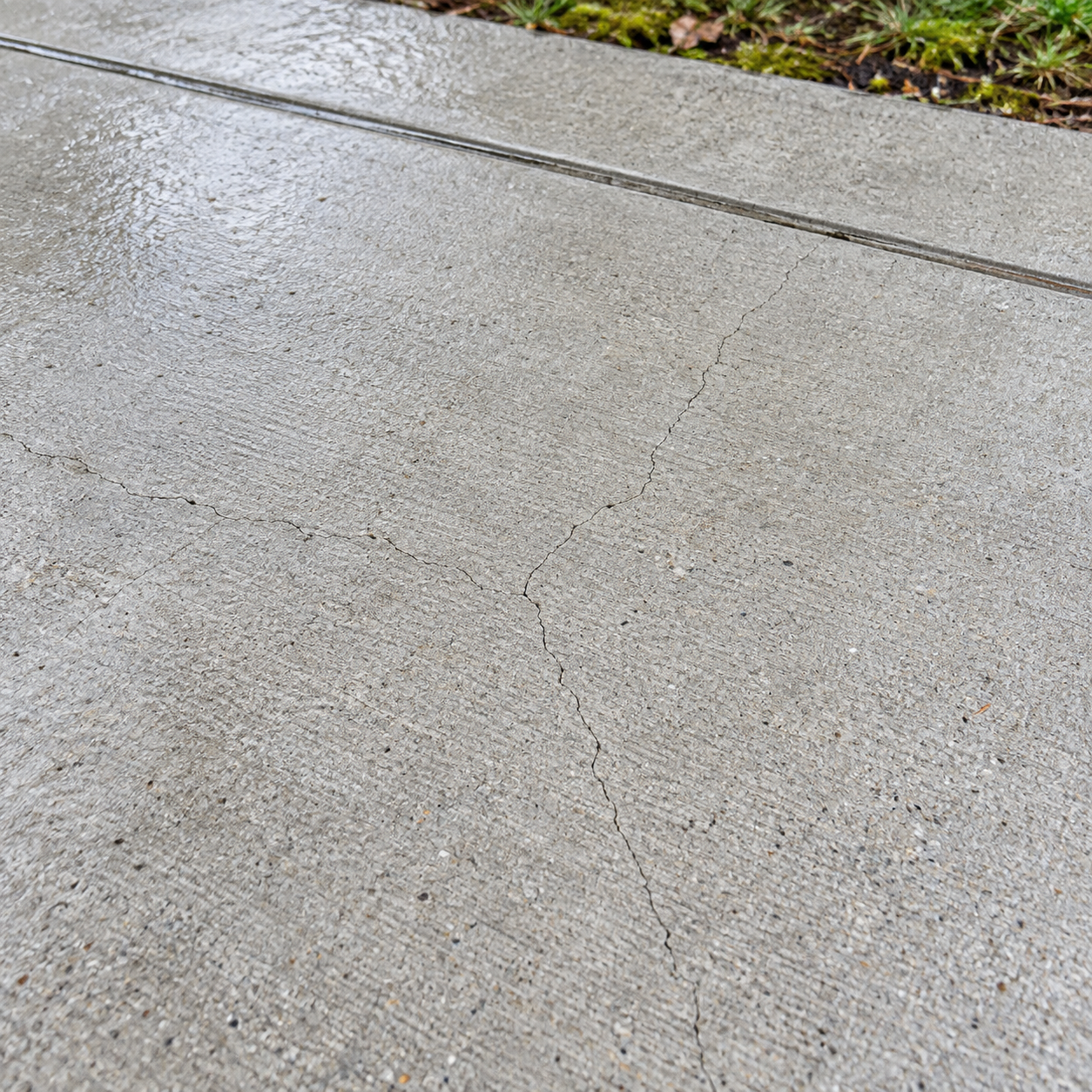
Fine hairline shrinkage cracks on a cured residential concrete slab in Bellingham WA.

If you own property in Bellingham or anywhere across Whatcom County, Washington, cracked concrete is a familiar sight. It shows up on driveways, patios, walkways, and garage slabs, and it tends to prompt the same worried question: did the contractor mess up? Sometimes yes. More often, the crack is telling you about the ground and the weather rather than the workmanship.


Concrete cracks for predictable reasons. It shrinks as it cures, moves with the soil beneath it, and reacts to water and temperature swings. Our corner of the Pacific Northwest pushes hard on two of those. The dense glacial till under most local lots drains poorly and shifts when wet, and our damp winters cycle repeatedly through the freezing point.


This guide explains what actually causes cracking here, how to tell a harmless crack from one that needs attention, and the steps that keep small cracks from becoming expensive repairs. Knowing the difference protects both your budget and your property.
What Causes Concrete to Crack


Most cracks come from a short list of causes, several worsened by our climate and soil. That is why local concrete needs more care than a generic pour.


Shrinkage During Curing


Fresh concrete gives off water as it hardens, and that drying makes it shrink. The slab pulls against itself, and the tension surfaces as fine cracks.


  • A wet, soupy mix shrinks more than a proper one
  • Fast drying in summer heat raises the risk
  • These hairline cracks are almost always cosmetic


Soil Movement and Settlement


A slab is only as steady as the ground under it. When that ground was poorly compacted or shifts with moisture, the slab moves and cracks.


  • Rushed or skipped base compaction is the top preventable cause
  • Local glacial till traps water and heaves when saturated
  • Settlement cracks widen over time and deserve a closer look


Freeze-Thaw Damage


Winters here hover around the freeze line rather than staying deeply frozen. Water slips into a crack, freezes overnight, expands, and levers it open a little more each cycle.


  • Even a hairline gap lets water in, so small cracks grow
  • Waterlogged ground heaves as it freezes and lifts the slab
  • Unsealed surfaces soak up the most water and suffer most

Which Cracks Are Serious and Which Are Not


Not every crack is a red flag. Reading them correctly tells you when a quick seal is enough and when to call someone in.


Cracks That Are Usually Harmless


Some cracking is normal and does not threaten the slab. Sealing them keeps water out, but they are no cause for alarm.


  • Fine hairline cracks from early shrinkage
  • Narrow cracks that trace a control joint, which means the joint is working


Cracks Worth a Professional Look


Other cracks point to movement or a failing base, and they worsen if ignored. Have these assessed before investing in a fix.


  • Cracks wider than about an eighth of an inch, a credit card's width
  • Cracks with one side higher than the other, a sign of heaving or settling
  • Cracks that run through the full thickness of the slab


When a crack crosses from cosmetic into structural, repair or replacement comes into play. Our guide on concrete driveway repair and when to replace covers how to weigh one against the other.

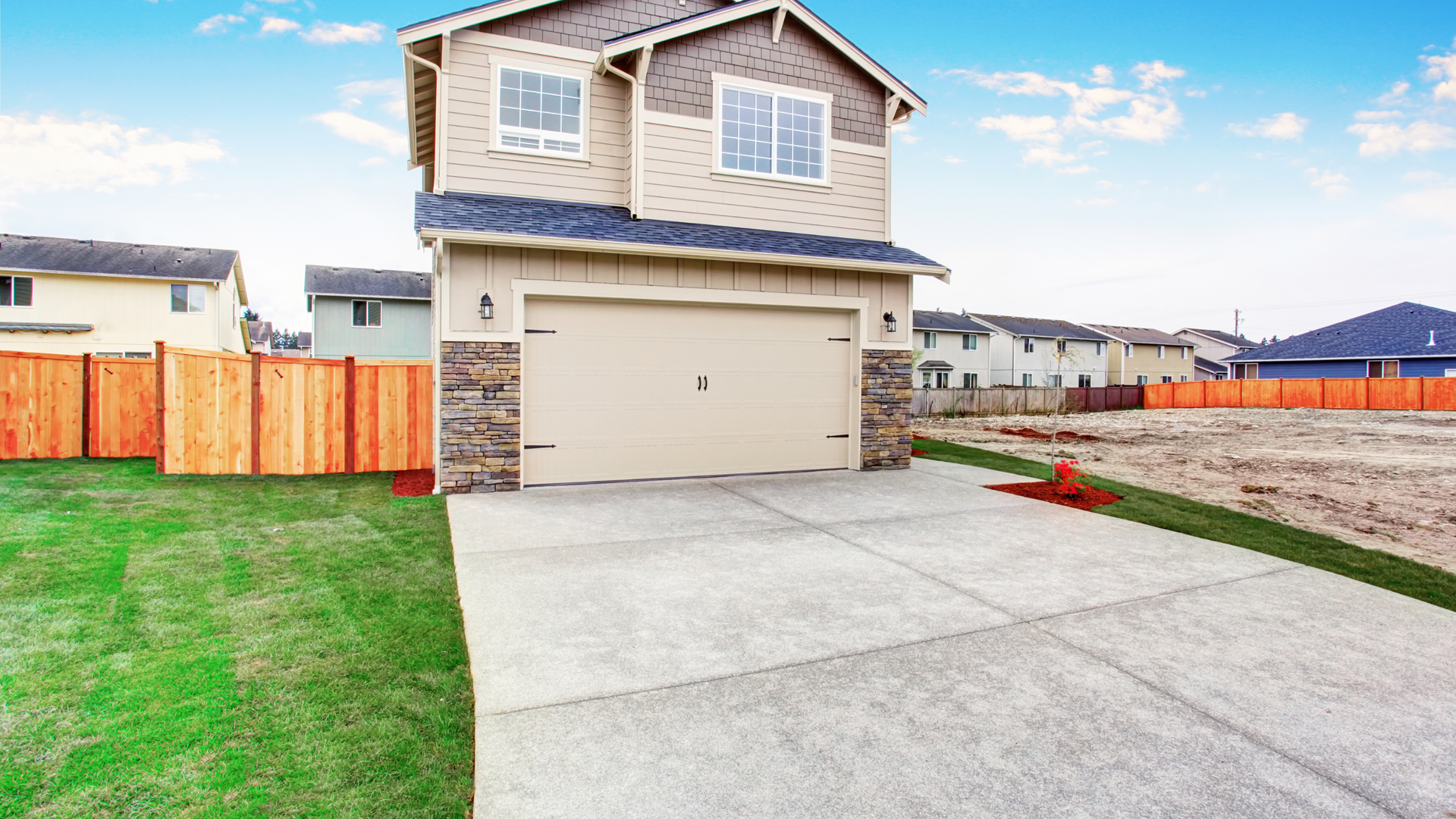
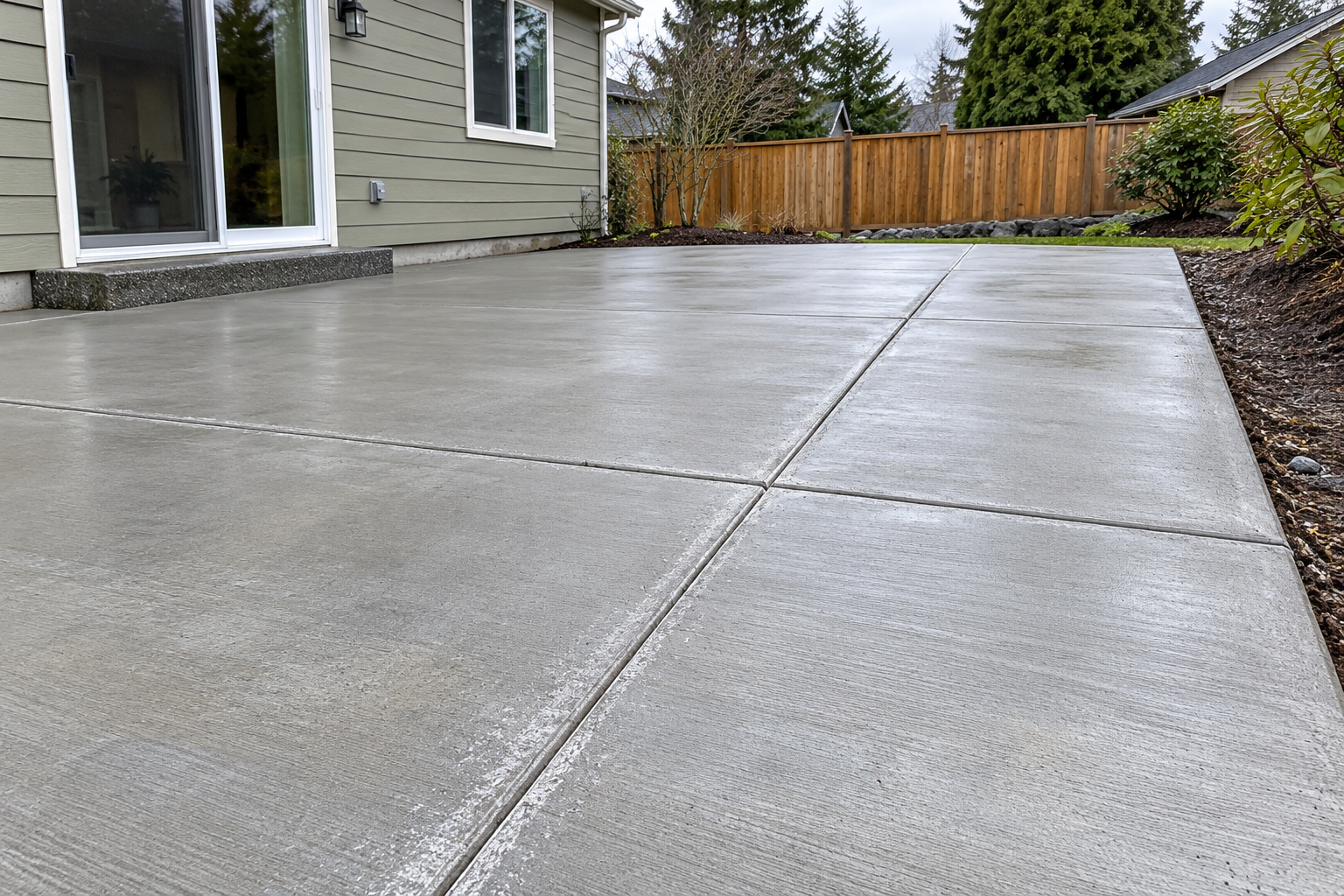
Control joints cut into a concrete slab to direct cracking and prevent random surface cracks.

How to Prevent Concrete Cracks


You cannot stop concrete from ever cracking, but you can prevent the damaging kind. Nearly all of that prevention happens before and during the pour, so the crew you hire matters more than any sealer bought later.


Build a Solid, Well-Drained Base


The base under the slab prevents more cracks than anything else. On our water-holding soil, that groundwork matters even more than the concrete itself.


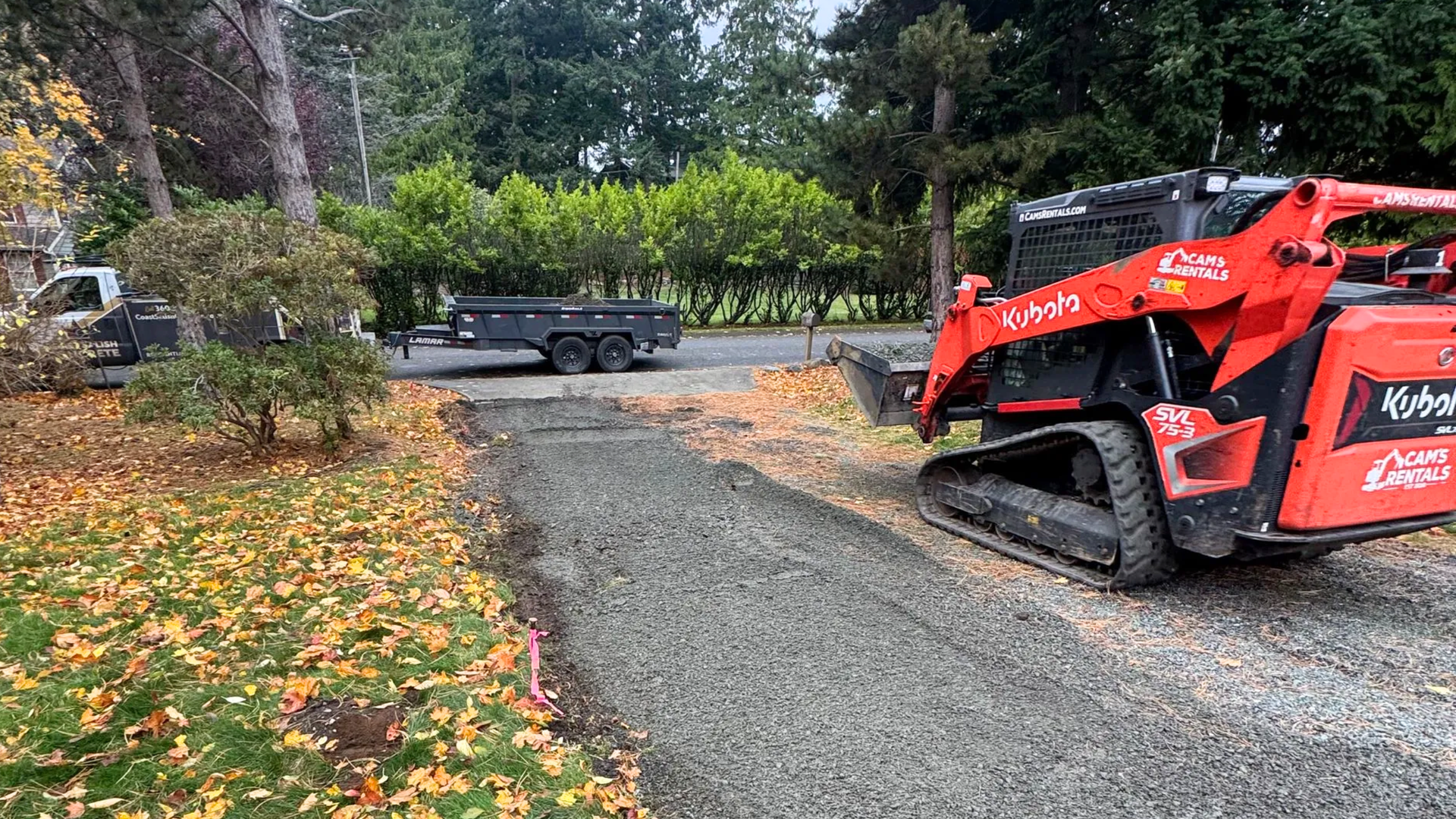
  • Dig out unstable topsoil and lay a compacted, draining gravel sub-base
  • Grade so water sheds away from the slab rather than pooling beneath it
  • Add drainage on lots that collect water, common in low-lying areas


Groundwork drives so much of the outcome that it pays to get right the first time. Our excavation and site preparation services are built around the compaction and drainage local ground demands.


Specify the Right Mix and Reinforcement


The concrete itself should be matched to the job. The American Concrete Institute recommends a 3,000 to 4,000 psi mix for residential work; see the American Concrete Institute's guidance on concrete durability for the standards.


  • Keep the water-to-cement ratio low to limit shrinkage
  • Add rebar or wire mesh sized to the expected load
  • Pour driveways thick enough for the vehicles that will use them


Place and Cut Control Joints Correctly


Control joints are planned grooves cut into the slab. They tell the concrete where to crack, keeping the lines straight and hidden instead of random and jagged.


  • Residential flatwork is typically jointed every 8 to 12 feet
  • Joints must be cut at the right depth and timing to do their job


Cure and Seal for Our Climate


How the slab is treated in its first days and years shapes how it holds up. Curing builds strength, and sealing blocks the water behind freeze-thaw damage.


  • Keep the surface damp through the curing window so it does not dry too fast
  • Reseal every few years to guard against moisture and freeze-thaw stress


These principles carry into bigger structural work too. Our concrete foundation services take the same base-first, drainage-first approach from the ground up.


Frequently Asked Questions

  • Are cracks in my concrete driveway normal?

    Yes, some cracking is normal, particularly thin hairline cracks and any that follow a control joint. The ones to watch are wider than a credit card, uneven from side to side, or running through the slab, since those signal settlement or heaving rather than ordinary curing.

  • Does Washington's weather really make concrete crack faster?

    It does. Repeated freeze-thaw cycles pry open any crack that has let water in, and heavy seasonal rain saturates the ground enough to drive heaving and settlement. Surface sealing and proper drainage underneath are the two best defenses here.

  • Can I just seal a crack myself?

    For a narrow, stable hairline crack, a quality sealer or patch is a reasonable homeowner fix that slows water intrusion. It will not solve a crack caused by a shifting base or heaving soil. If a crack keeps widening or its sides sit at different heights, have it looked at before patching over it.

Ready to Fix Cracks or Pour Something New?


Cracking is partly unavoidable, but the damaging kind is not. The difference comes down to a drained, compacted base, the right mix and reinforcement, well-placed joints, and steady sealing against wet, freeze-prone winters. Those choices are locked in long before the concrete cures.


Coast Salish Concrete builds and repairs concrete for the conditions our region presents, from drainage-first site prep to finishes that survive Northwest winters. As a trusted Bellingham concrete contractor serving Ferndale, Lynden, Blaine, Fairhaven, Sudden Valley, and nearby communities, we back our work with a 3-year workmanship warranty. If you are dealing with cracks or planning a new project, contact us for a free estimate and an honest read on what your concrete needs.

REQUEST A FREE ESTIMATE CALL US NOW
Poured concrete foundation with footings under construction at a Bellingham WA home site.
September 17, 2026
Compare concrete foundation types and costs in Bellingham, WA. See how glacial till, drainage, and local code shape your choice and how long one lasts.
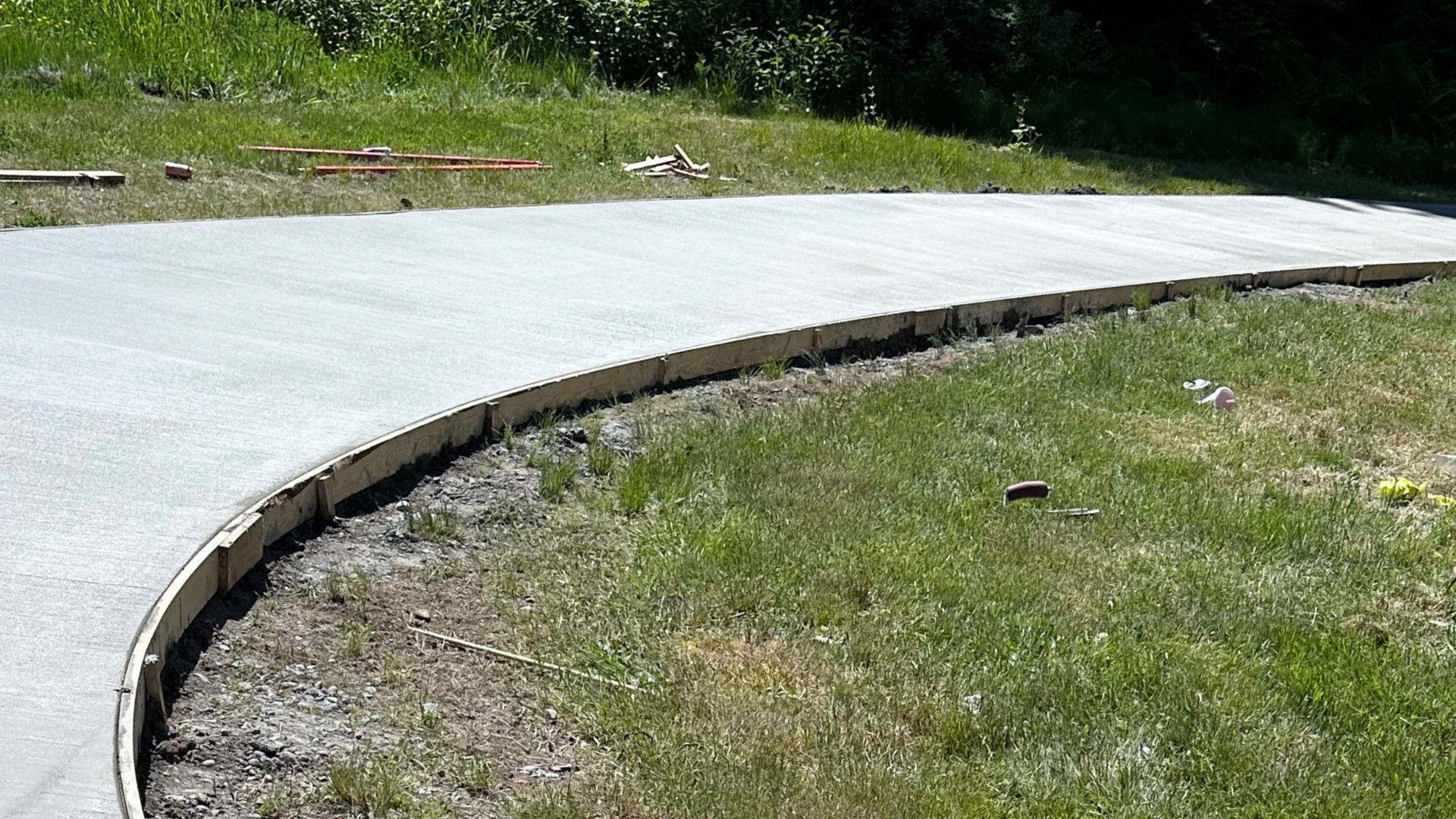
Curved concrete walkway under construction beside a grassy area with trees in the background
August 21, 2026
What does a concrete walkway cost in Bellingham? Compare broom vs stamped finishes, site prep over glacial till, slip resistance, and sidewalk permits.
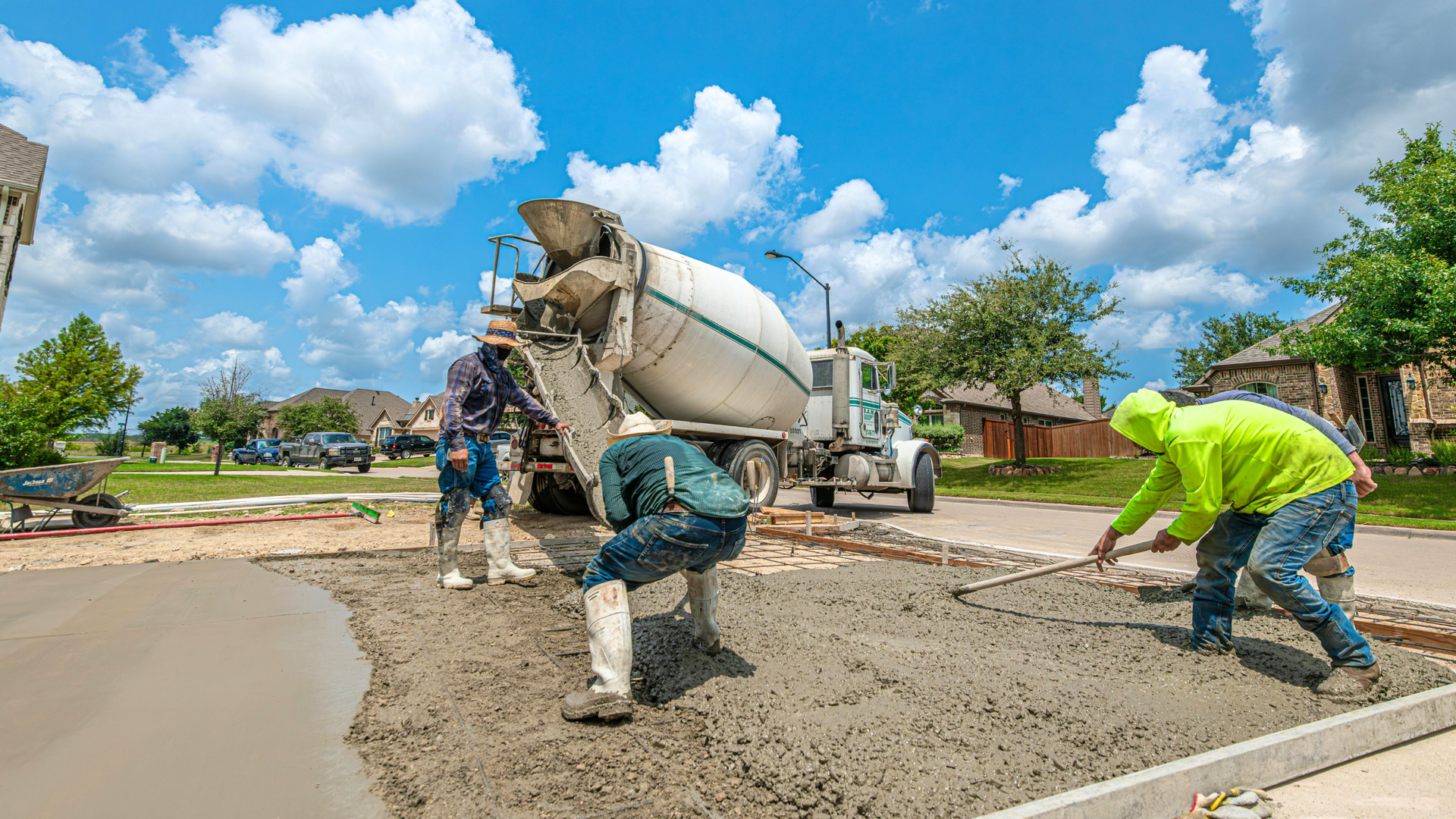
Concrete truck in residential concrete project in Bellingham, WA
August 12, 2026
Do you need a permit for concrete work in Bellingham, WA? Learn when you do, when you don't, and how big you can build without one. Clear local guidance.
Concrete crew pouring a slab in cold damp winter conditions at a Whatcom County WA property.
July 24, 2026
Can you pour concrete in winter in WA? Learn the freezing and rain thresholds, cold-weather precautions, and whether a winter pour will last in Whatcom County.
Freshly poured concrete driveway curing in warm dry summer
weather at a Whatcom County WA home.
July 8, 2026
Wondering when to pour concrete in Whatcom County? Learn the best season, local watershed timing rules, and how to plan a driveway or patio that lasts.
Concrete patio installed in a residential backyard with a clean finish and simple outdoor seating ar
June 4, 2026
Learn concrete patio costs, finish options, design choices, and what affects pricing before planning your next outdoor project.
New concrete driveway installed at a residential home in a suburban neighborhood.
May 8, 2026
Learn how much concrete driveway replacement costs, what affects pricing, and when homeowners should repair or fully replace a driveway.
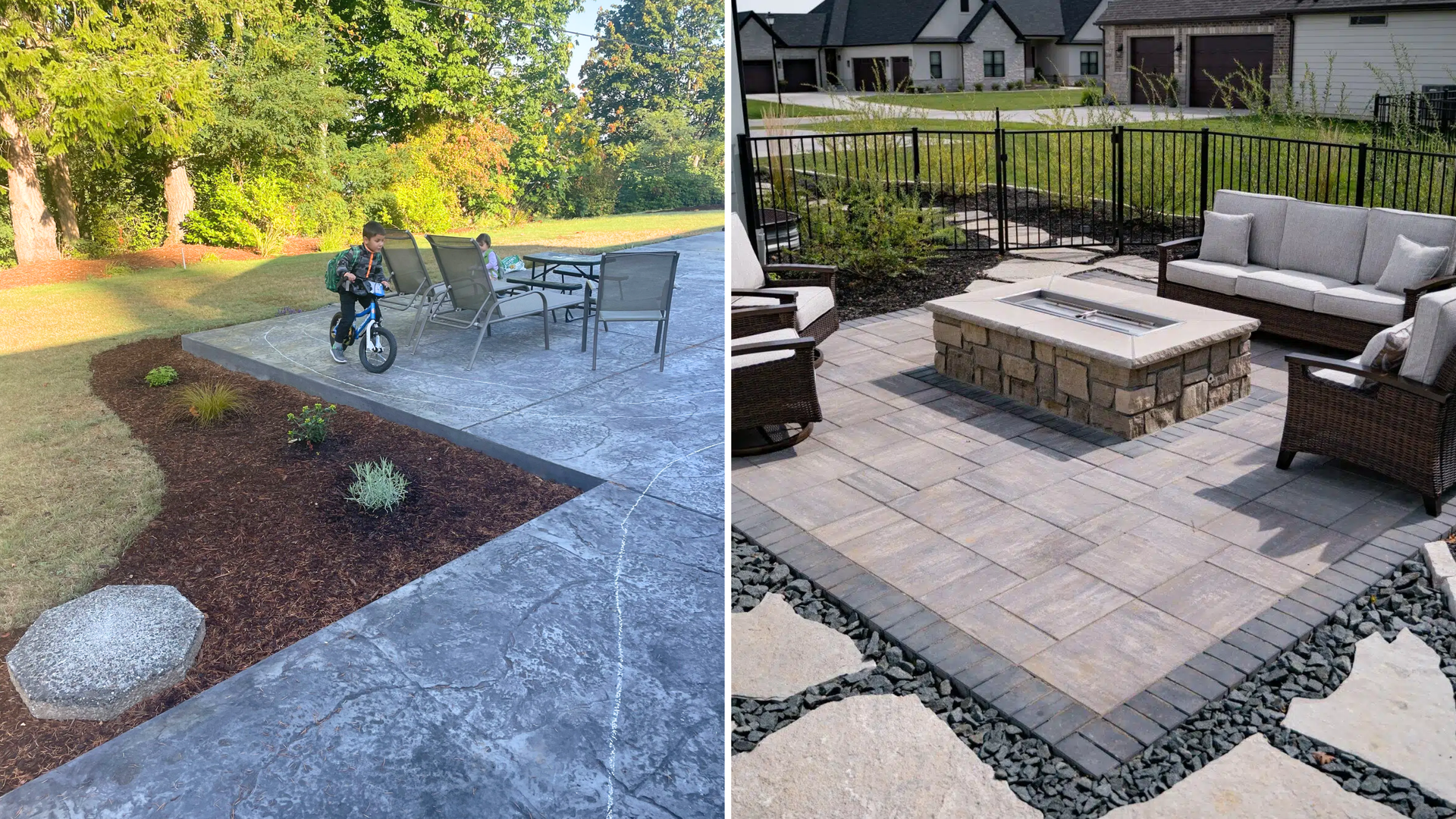
Side by side comparison of stamped concrete patio and paver patio for Bellingham WA homeowners
April 21, 2026
Trying to decide between a concrete vs paver patio in Bellingham WA? See how both hold up in the Pacific Northwest climate - cost, maintenance, and durability.
Concrete driveway with visible cracks and repair work at a residential home in Bellingham WA.
March 25, 2026
Not sure if your driveway needs repair or replacement? Learn costs, common issues, and what homeowners should fix before it gets worse.
Exposed aggregate concrete driveway installed at a residential home in Bellingham WA
March 11, 2026
Thinking about an exposed aggregate driveway in Bellingham WA? Learn the pros, cons, cost, durability, and maintenance before installing one.
More Posts