The Best Time of Year to Pour Concrete in Whatcom County, WA
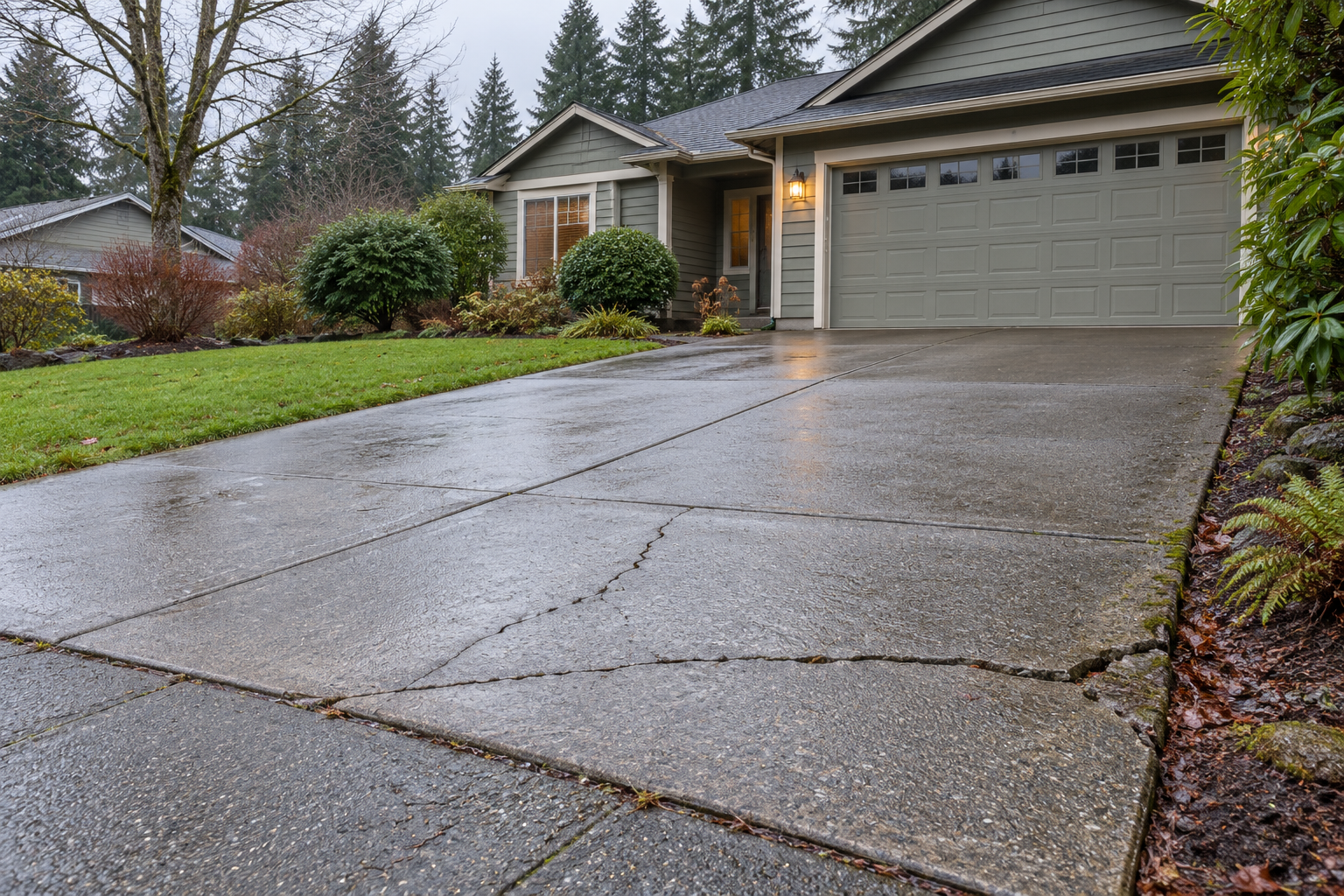
If you own a home in Bellingham or anywhere across Whatcom County, timing a concrete project well can be the difference between a driveway that lasts 30 years and one that starts cracking after a few wet winters.
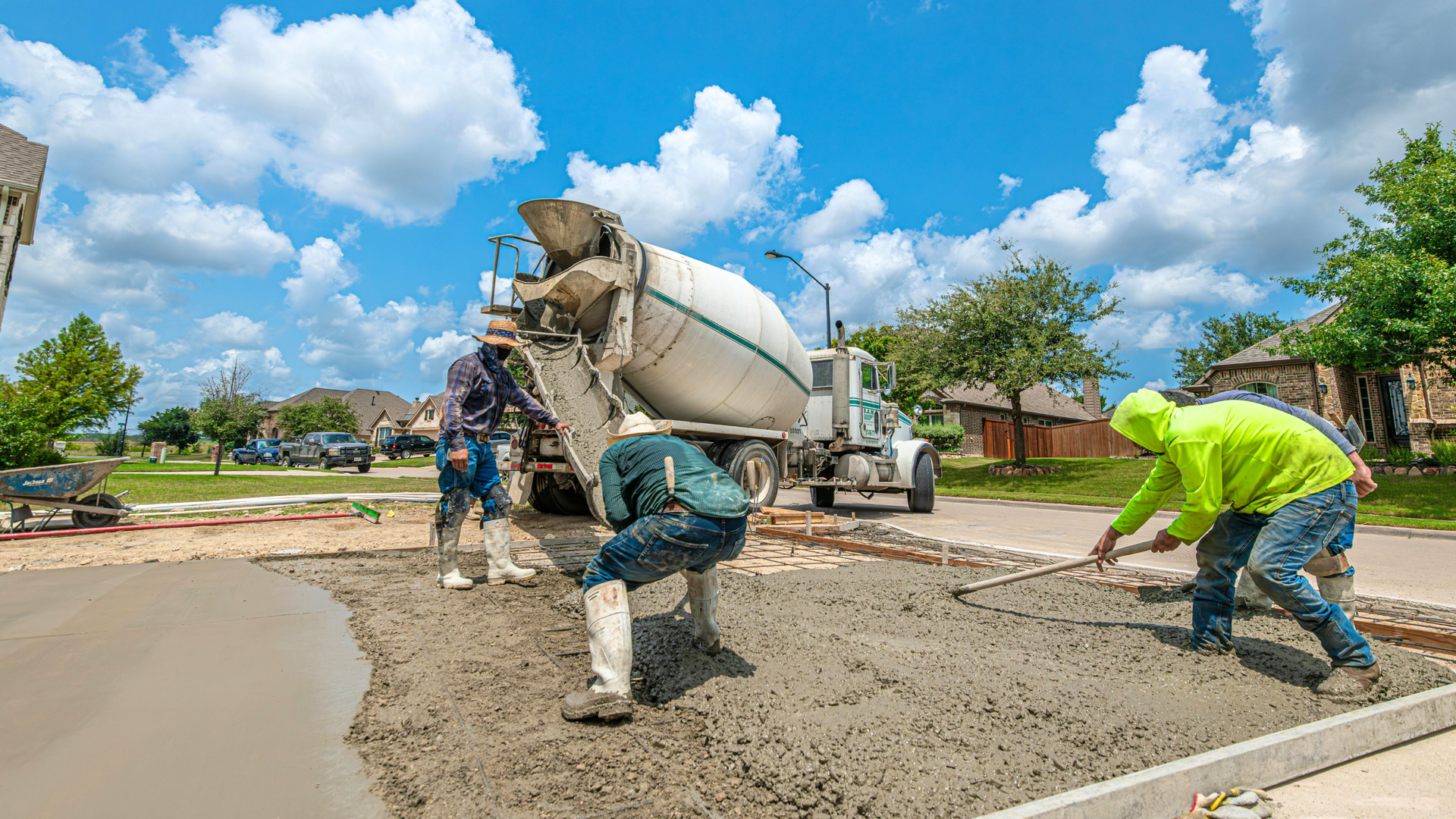
The best time of year to pour concrete in Whatcom County is late spring through early fall, roughly May through September, when daytime temperatures stay reliably above 50°F and the heavy Pacific Northwest rains have eased. That window gives fresh concrete the warmth and dry conditions it needs to cure to full strength.
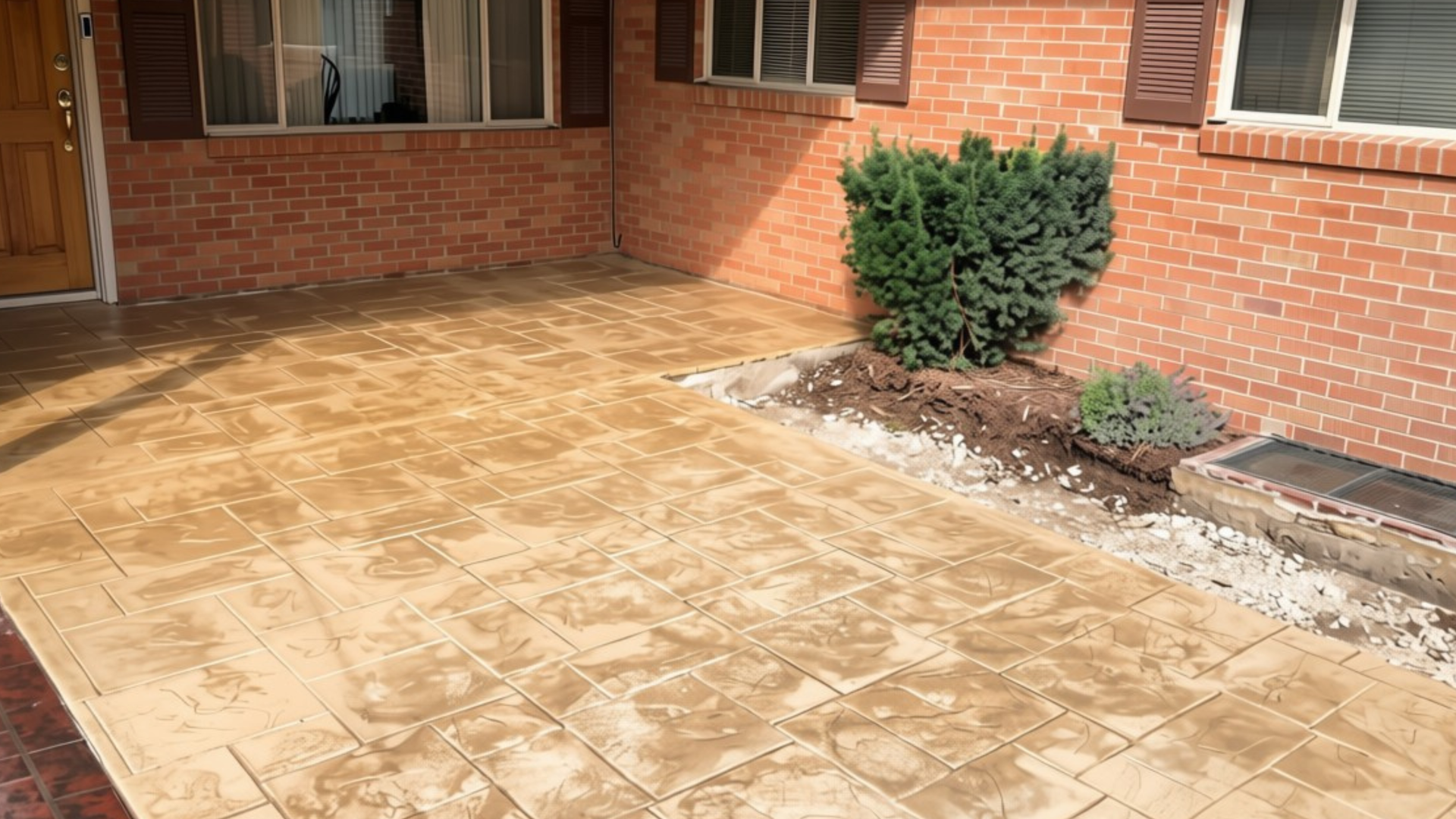
But timing here is about more than the weather. Whatcom County sits in a unique position, with a marine climate that keeps things cool and damp for much of the year, glacial till soils that drain poorly, and strict local stormwater rules tied to the Lake Whatcom watershed. All three factors shape when you should schedule a pour. This guide walks you through exactly how the seasons affect concrete in our area, what the local regulations mean for your project timing, and how to plan so your investment holds up for decades.
Mastering the Pour: Why Whatcom County Weather Requires Precision
Concrete does not simply dry. It cures through a chemical reaction called hydration, where water and cement bond and harden over time. That reaction is temperature dependent. When it is too cold, hydration slows dramatically. When it is too hot, water evaporates too fast and the surface can crack before it gains strength.
The American Concrete Institute considers conditions to be cold-weather concreting when the air temperature drops below 40°F for three consecutive days, or below 50°F for more than half of any 24-hour period. In our region, that describes most of the calendar from late fall through early spring. Concrete that freezes before reaching adequate strength can lose up to 50 percent of its final durability, becoming weak and brittle as the water inside expands and forms internal cracks.
The ideal placement temperature sits between 50°F and 60°F, with curing best maintained above 50°F for the entire protection period until the slab reaches at least 500 psi of strength, which typically takes two to five days for a residential slab. In the cooler Bellingham climate, curing runs slower than in warmer parts of the country, so contractors here often recommend waiting a full seven days before driving passenger vehicles on new concrete, and 28 days before heavy trucks or RVs. Winter pours stretch those timelines even further.
This is why local experience matters. A crew that understands Whatcom County conditions will schedule your pour around both the temperature and the moisture, not just an open slot on the calendar.
Season by Season: What to Expect for a Concrete Pour in Whatcom County
Spring (March to May)
Early spring is a transition period. March and April are still wet and cool, with lingering overnight temperatures that can dip near freezing. By mid to late May, conditions usually stabilize enough for reliable pours. Spring is also when homeowners start noticing winter damage, muddy low spots, settled slabs, and cracks that widened over the cold months, so it is a popular time to book projects. The catch is that demand climbs fast, and good contractors fill their schedules early. If you want a late-spring or summer pour, reaching out in February or March is smart.
Summer (June to August)
Summer is the prime window for concrete work in Whatcom County. Long daylight hours, warm and stable temperatures, and low rainfall create close to ideal curing conditions. July in particular is when many local homeowners tackle patios, driveway replacements, and walkways, getting ahead of the early autumn rains that return by late September. The main thing to watch for is the occasional heat spike. On the hottest, driest days, concrete can lose surface moisture too quickly, so an experienced crew will time the pour for morning hours and use proper curing methods to hold moisture in.
Fall (September to October)
Early fall can still offer excellent pouring conditions. September often stays warm and dry, and it can be one of the best months of all, with summer demand easing and temperatures still cooperative. The risk rises as October arrives and the reliable PNW rains set in. A pour scheduled for early October may go smoothly, but one pushed to late October runs into shorter days, cooler nights, and wetter ground. If you are aiming for a fall project, earlier is safer.
Winter (November to February)
Winter is the most challenging season for concrete in our area, and in many cases the least advisable. Cold temperatures slow curing, freezing risk threatens slab strength, and saturated ground complicates the site preparation that a lasting pour depends on. Concrete can be poured in winter with the right precautions, insulating blankets, heated enclosures, accelerating admixtures, and careful temperature monitoring, but these measures add cost and complexity. For most residential projects, waiting for spring produces a better result at a lower price. There is also a significant local regulation that affects winter timing in one part of the county, which we cover next.
The Local Rule Many Homeowners Miss: Lake Whatcom Watershed Timing
Here is where Whatcom County differs sharply from most of the country. If your property sits within the Lake Whatcom watershed, which includes areas like Sudden Valley, Geneva, and other neighborhoods draining toward the lake, there is a seasonal restriction that directly limits when ground can be disturbed.
Under the Lake Whatcom stormwater rules, no land-disturbing activity, including clearing, grading, filling, excavating, or trenching, is permitted from October 1 through May 31. Because most concrete projects require excavation and site prep, this effectively means the work window for watershed properties runs from June 1 through September 30. That lines up almost exactly with the ideal pouring season, but it also means there is no flexibility to push a project into the shoulder months. Miss the summer window, and you are waiting until the following June.
These rules exist because Lake Whatcom is a protected drinking water source, and the county enforces strict limits on impervious surfaces and stormwater runoff to keep sediment and pollutants out of the lake. New hard surfaces over a certain size trigger mitigation requirements, and within the watershed those thresholds are much lower than elsewhere in the county. A local contractor who knows these rules can save you from a costly permitting mistake and help you plan your project around the allowable window.
If your property is outside the watershed, you have more flexibility, but the seasonal weather logic above still applies. And regardless of location, certain projects such as new driveways, structural foundations, and larger installations may require a permit. It is always worth confirming with the City of Bellingham Permit Center or Whatcom County Planning and Development Services before you begin.
Soil and Site Preparation: The Hidden Timing Factor
Whatcom County sits largely on glacial till, a dense, poorly draining soil that holds water and is prone to settling and heaving. This matters enormously for concrete. A slab is only as stable as the ground beneath it, and saturated soil cannot provide a firm, level base.
During the wet months, glacial till stays waterlogged, which is one more reason winter pours are risky here. Even if the air temperature cooperates on a given day, the ground underneath may still be soft and unstable. The drier summer months allow the soil to firm up, giving crews the conditions they need to compact a proper sub-base and pour on stable ground. This is a big part of why out-of-area contractors sometimes produce concrete that cracks prematurely in our region. They pour to a generic standard rather than engineering the sub-base for local soil conditions.
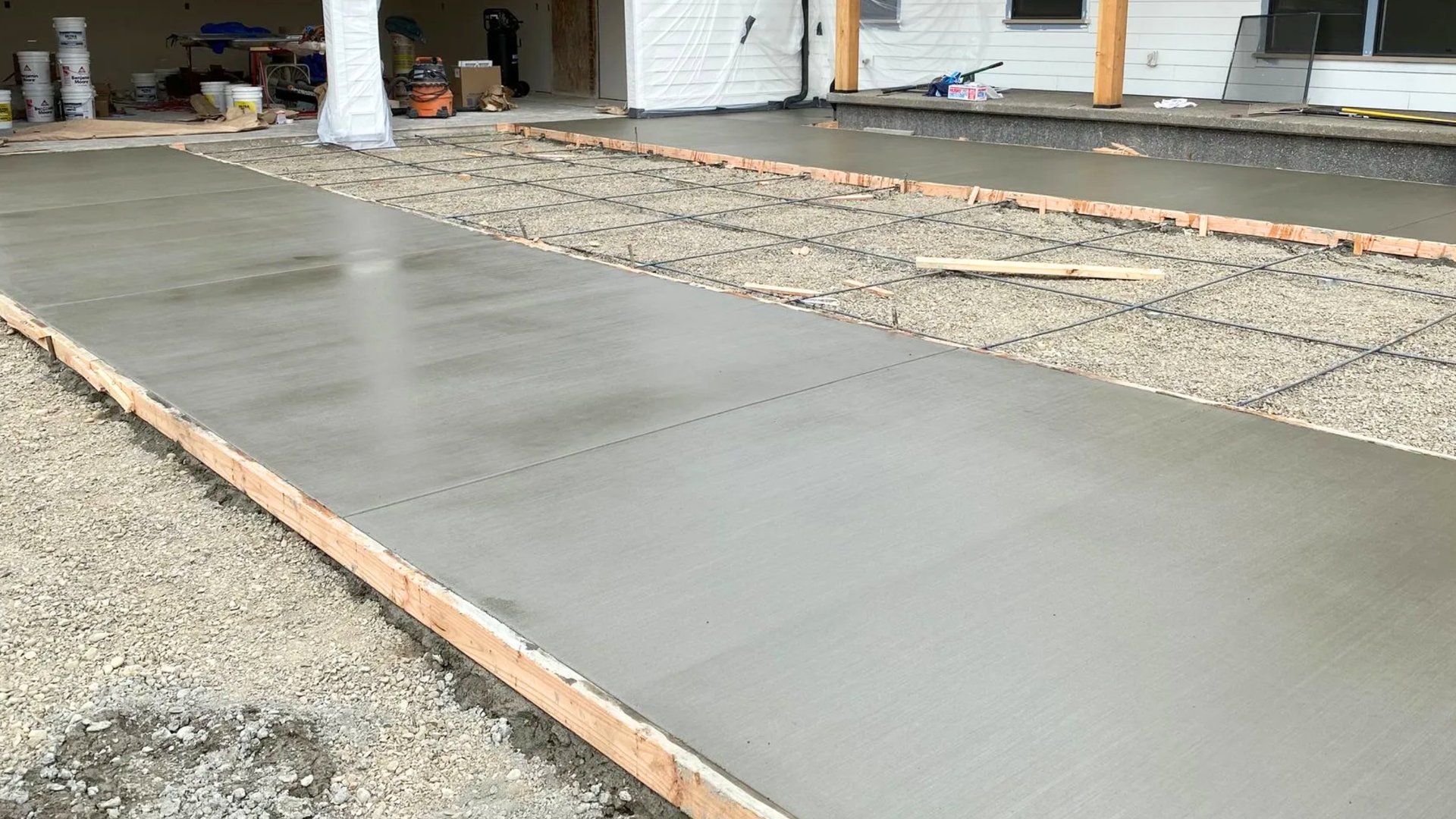
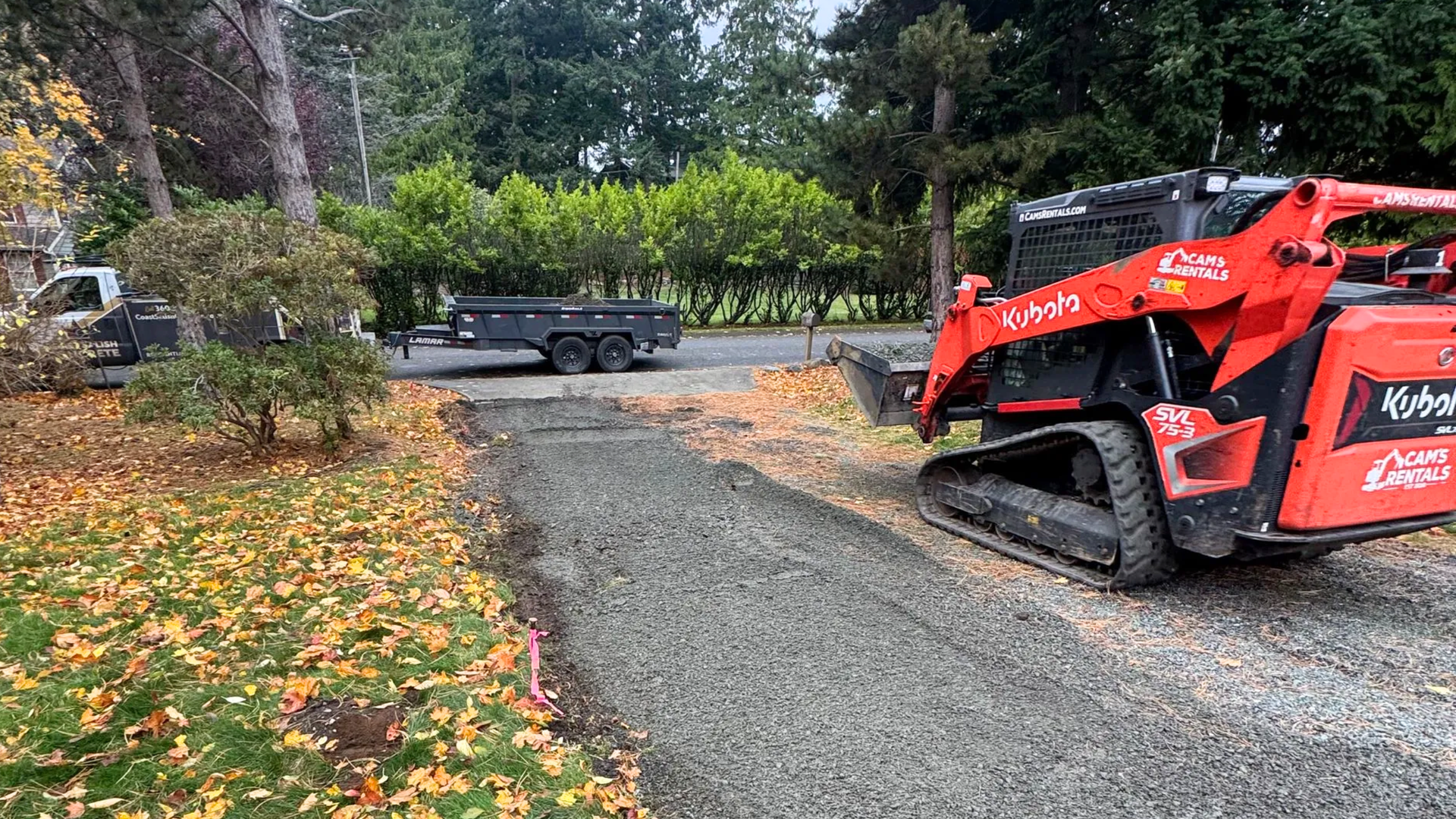
Proper site preparation, including grading, compaction, and drainage planning, is not something to rush or skip. Scheduling your pour for the drier season gives your crew the time and conditions to get the foundation right.
Best Time to Pour Concrete in Whatcom County by Season
| Season | Pour Conditions | Typical Cost / Demand | Recommendation |
|---|---|---|---|
| Spring (Mar to May) | Improving, still wet early; stable by late May | Rising demand, book early | Good from mid-to-late May |
| Summer (Jun to Aug) | Ideal: warm, dry, stable curing conditions | Peak demand, book ahead | Best overall window |
| Fall (Sep to Oct) | Very good early, wetter and cooler by late Oct | Demand eases in Sept | Great in Sept, risky by late Oct |
| Winter (Nov to Feb) | Poor: cold, wet, freezing risk, saturated soil | Lowest demand | Avoid unless necessary; added cost and cure time |
How to Plan Your Concrete Project the Right Way
Getting the timing right starts well before the pour date. Because the best window fills up fast, and because watershed properties have a hard seasonal deadline, planning ahead is the single most valuable thing you can do.
Reach out early. If you want a summer pour, contact a contractor in late winter or early spring. This gives you time for a site visit, a clear estimate, permit research if needed, and a scheduled date before the calendar fills.
Confirm your permit and watershed status. Ask whether your property falls within the Lake Whatcom watershed and whether your project needs a permit. A knowledgeable local contractor will handle this research for you.
Plan for curing time, not just pour day. Remember that concrete needs to cure before you can use it. Build in seven days before driving on a new surface, and up to 28 days before heavy loads, and adjust for cooler conditions.
Prioritize proper site prep. The sub-base matters as much as the pour itself in our glacial till soils. Choose a contractor who assesses and engineers the base for local conditions rather than pouring to a generic spec.
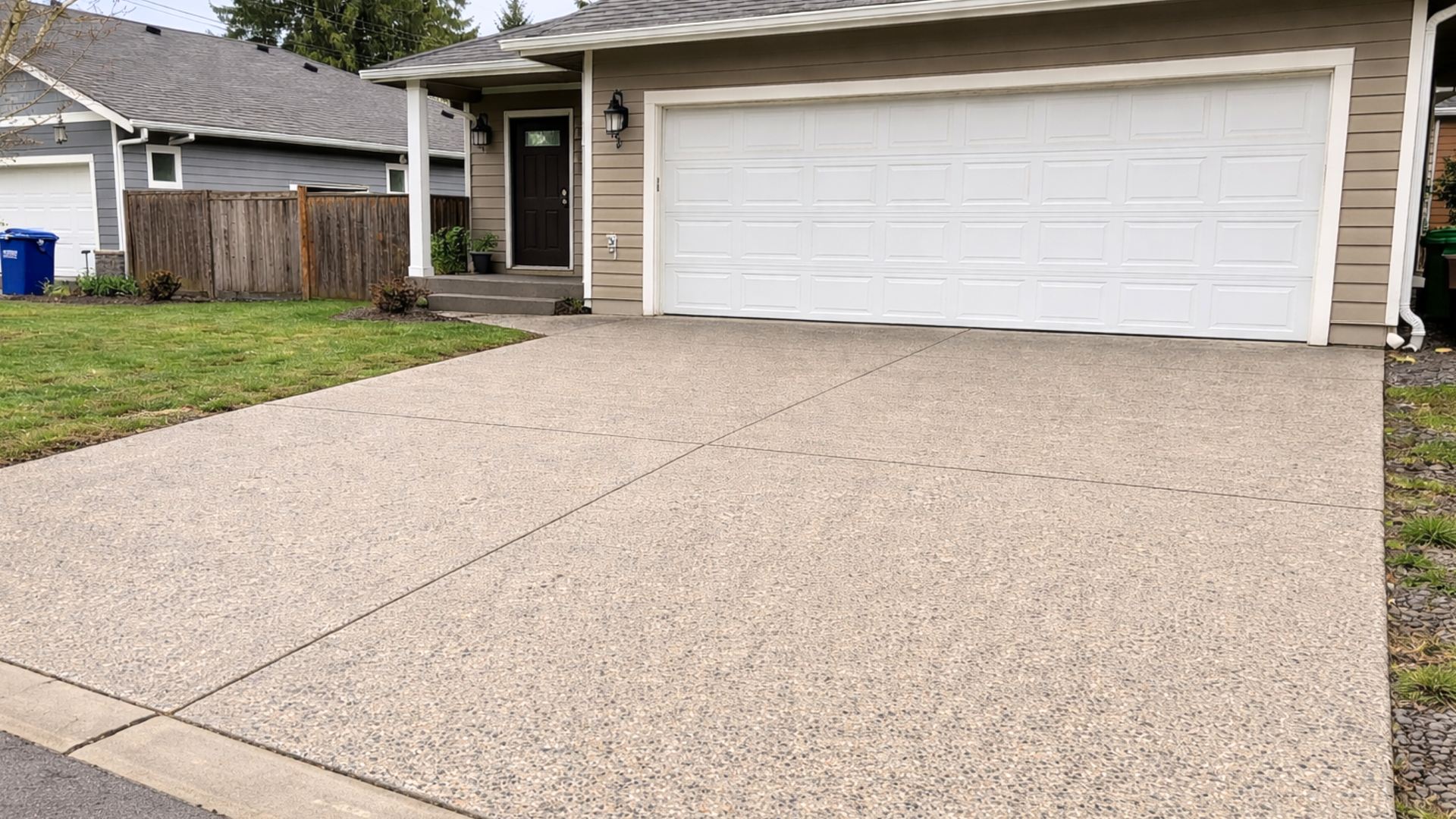
If you are weighing whether to repair an existing surface or start fresh, our guide on concrete driveway repair vs replacement can help you decide before you commit to a timeline. And if a new driveway is on your radar, the complete guide to concrete driveways in Bellingham covers finishes, costs, and installation in depth.
Frequently Asked Questions
Can you pour concrete in winter in Whatcom County?
Yes, but it is not ideal for most residential projects. Winter pours require insulating blankets, heated enclosures, accelerating admixtures, and close temperature monitoring to prevent the concrete from freezing before it cures. These measures add cost and time, and saturated glacial till soil makes proper site prep harder. For most homeowners, waiting for the spring or summer window produces a stronger, more affordable result. If your property is within the Lake Whatcom watershed, winter excavation is also restricted by county rules.
What is the best month to pour concrete in Bellingham?
July is often the single best month. Temperatures are warm and stable, rainfall is low, and the ground has dried out enough for solid site preparation. June through September as a whole offers reliable conditions, with September frequently excellent as summer demand eases. The key is to book early, since the prime window fills quickly.
Does the Lake Whatcom watershed rule affect my project timing?
If your property drains toward Lake Whatcom, including neighborhoods like Sudden Valley and Geneva, then yes. Land-disturbing activity such as excavation and grading is prohibited from October 1 through May 31 to protect the lake as a drinking water source. Since most concrete projects require excavation, this means watershed properties generally must complete work between June 1 and September 30. A local contractor can confirm whether your property is affected and help you plan within the allowed window.
How long does concrete take to cure in the Bellingham climate?
Concrete reaches enough strength to walk on within a day or two, but full curing takes longer here than in warmer regions. Plan to wait about seven days before driving passenger vehicles on a new surface, and a full 28 days before heavy trucks or RVs. Cooler weather slows the process further, which is another reason the warmer months are preferable.
Why does concrete crack more often when poured at the wrong time?
Two main reasons. First, if concrete freezes before it gains adequate strength, the water inside expands and creates internal cracks, permanently weakening the slab. Second, our glacial till soil holds water in the wet months and cannot provide a stable base, so slabs poured on saturated ground are prone to settling and cracking. Pouring in the drier, warmer season addresses both problems.
Ready to Plan Your Concrete Project?
The best results come from matching your project to the right season, and in Whatcom County that means planning around our marine climate, glacial till soils, and, for many properties, the Lake Whatcom watershed timing rules. Get the timing right and your driveway, patio, or walkway can perform beautifully for decades. Get it wrong and you risk cracking, settling, and costly repairs.
Coast Salish Concrete has the local knowledge to plan your project the right way, from confirming permit and watershed requirements to engineering a proper sub-base for our regional soils. As a trusted Bellingham concrete contractor serving Ferndale, Lynden, Blaine, Fairhaven, Sudden Valley, and the surrounding communities, we help homeowners get durable, lasting results backed by a 3-year workmanship warranty.
If you are thinking about a concrete project this year, now is the time to plan. Contact Coast Salish Concrete for a free estimate and let us help you schedule your pour for the season that will give you the strongest, longest-lasting result.